ALS PROJECT
Stealth & Action, Third Person Shooter
Introduction
This level project is inspired by a mix of Call of Duty's campaign and Uncharted gameplay mechanics. In this Third Person experience the player has to infiltrate a heavily guarded base to find and secure a bioweapon capsule.
Project Details
- 8 weeks development, 2025
- Unreal Engine 5
- AGLS v1.4 by Jakub W
- Solo Project
- Level Design
- Lighting & Atmosphere
- Scripted Events

My Goals
-
Design an engaging gameplay progression with escalating tension.
-
Balance traversal, infiltration, and combat sequences.
-
Design memorable sequences with a strong climax.
-
Design dynamic and fun navigation in a linear experience.
-
Design combat areas integrating strategic cover within clear and dynamic layouts.
Level Walkthrough
Level Introduction & Objective Reveal
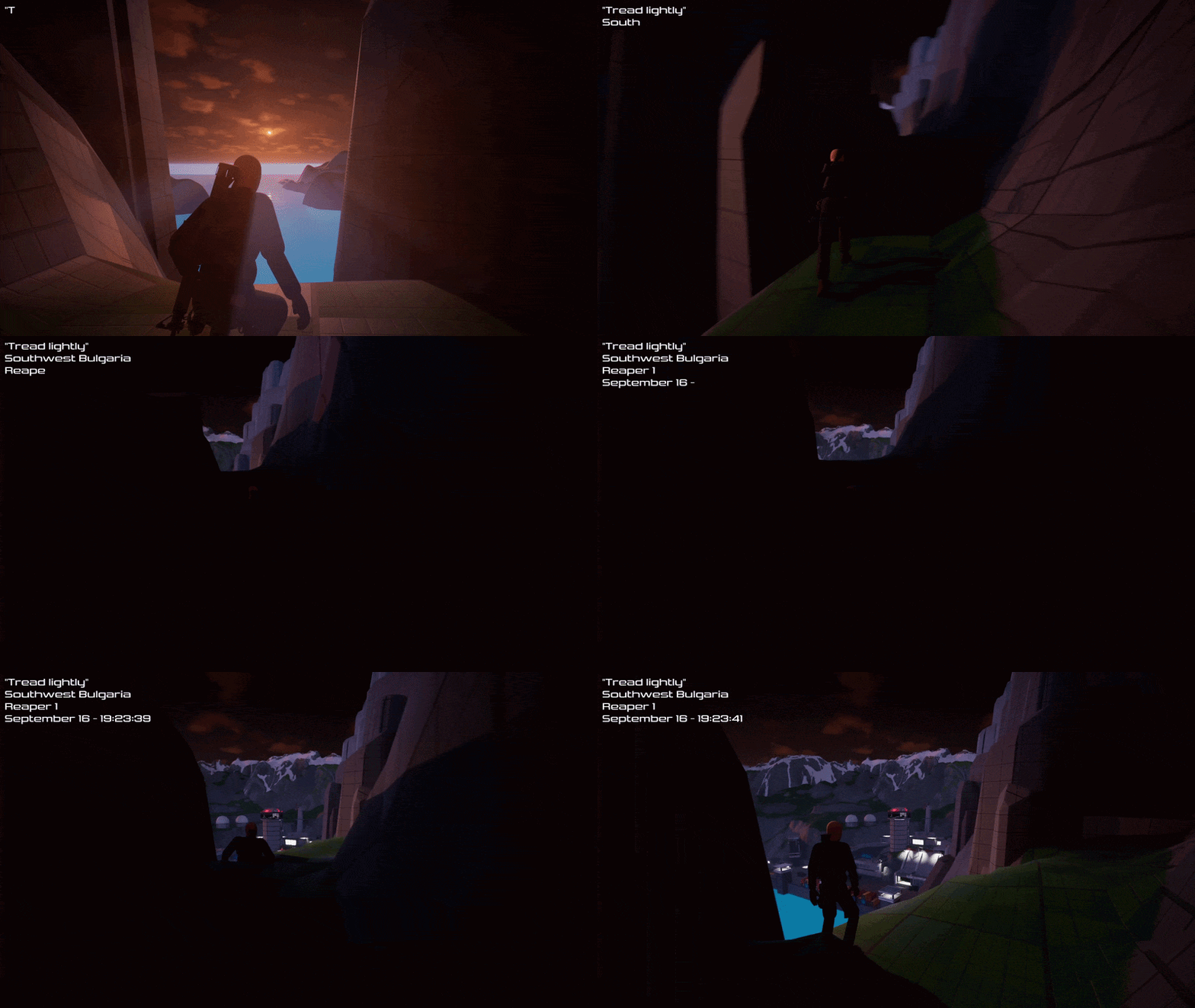
Infiltrate the Base
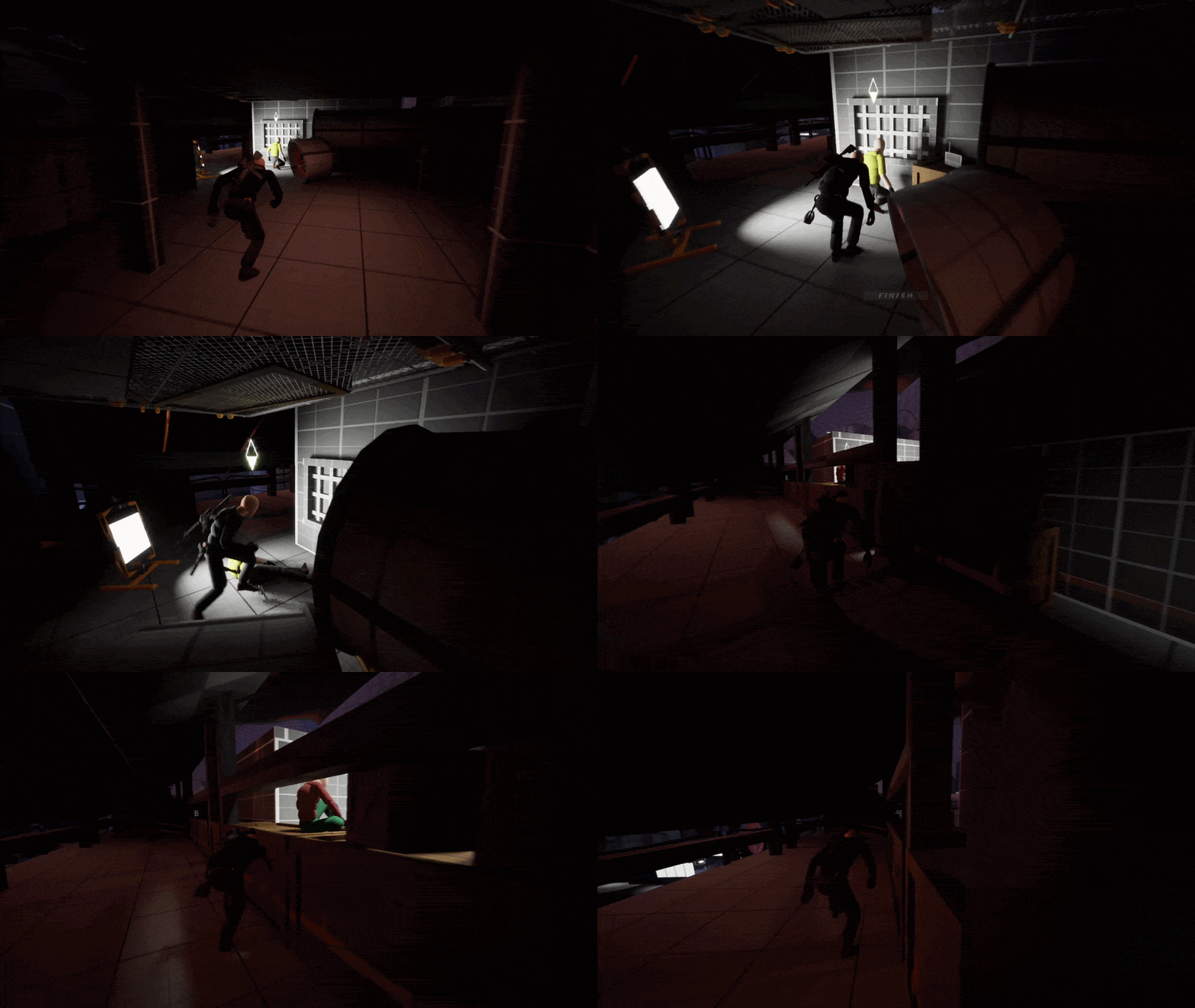
Climb the Control Tower
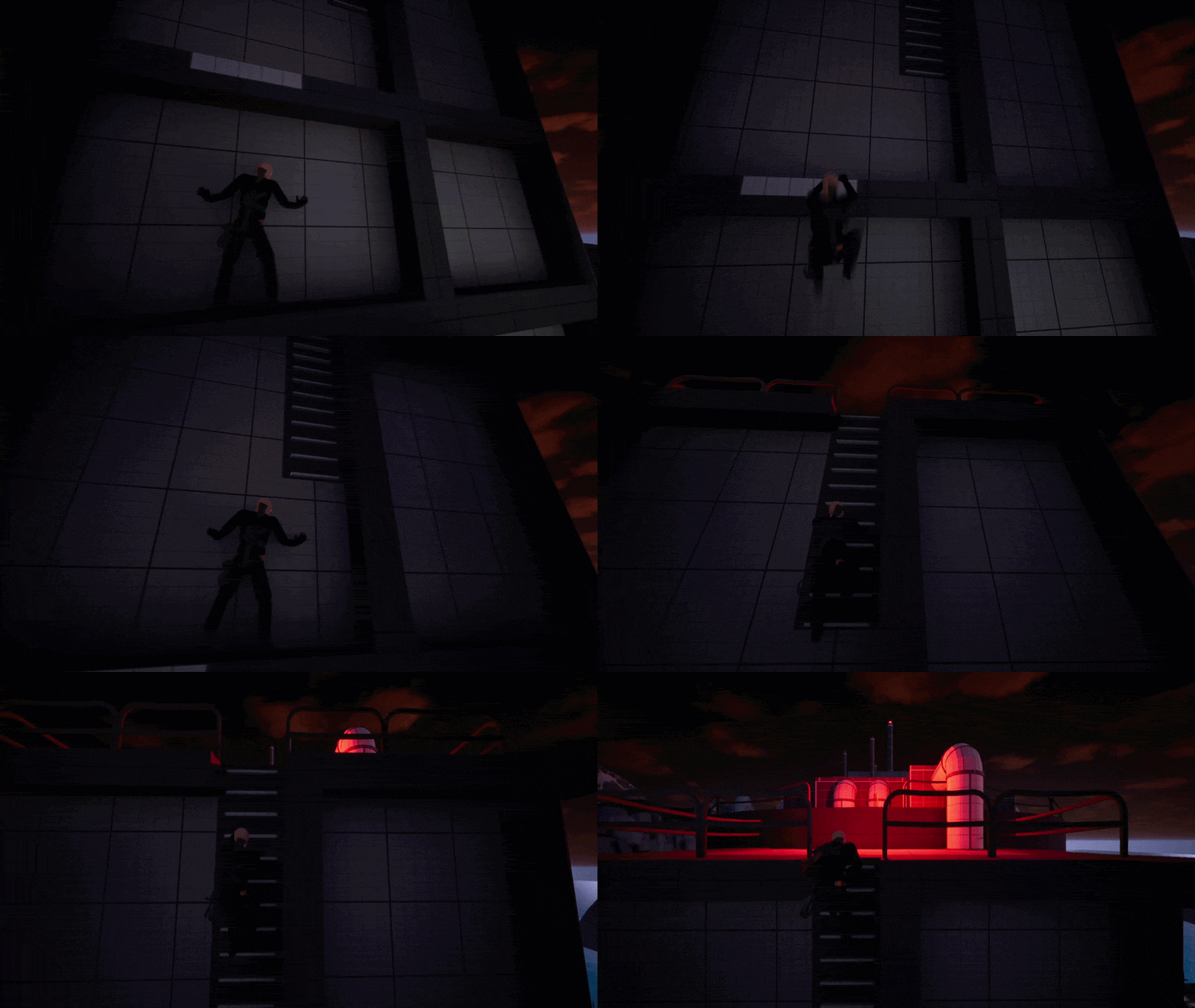
Fight Through the Underground Base
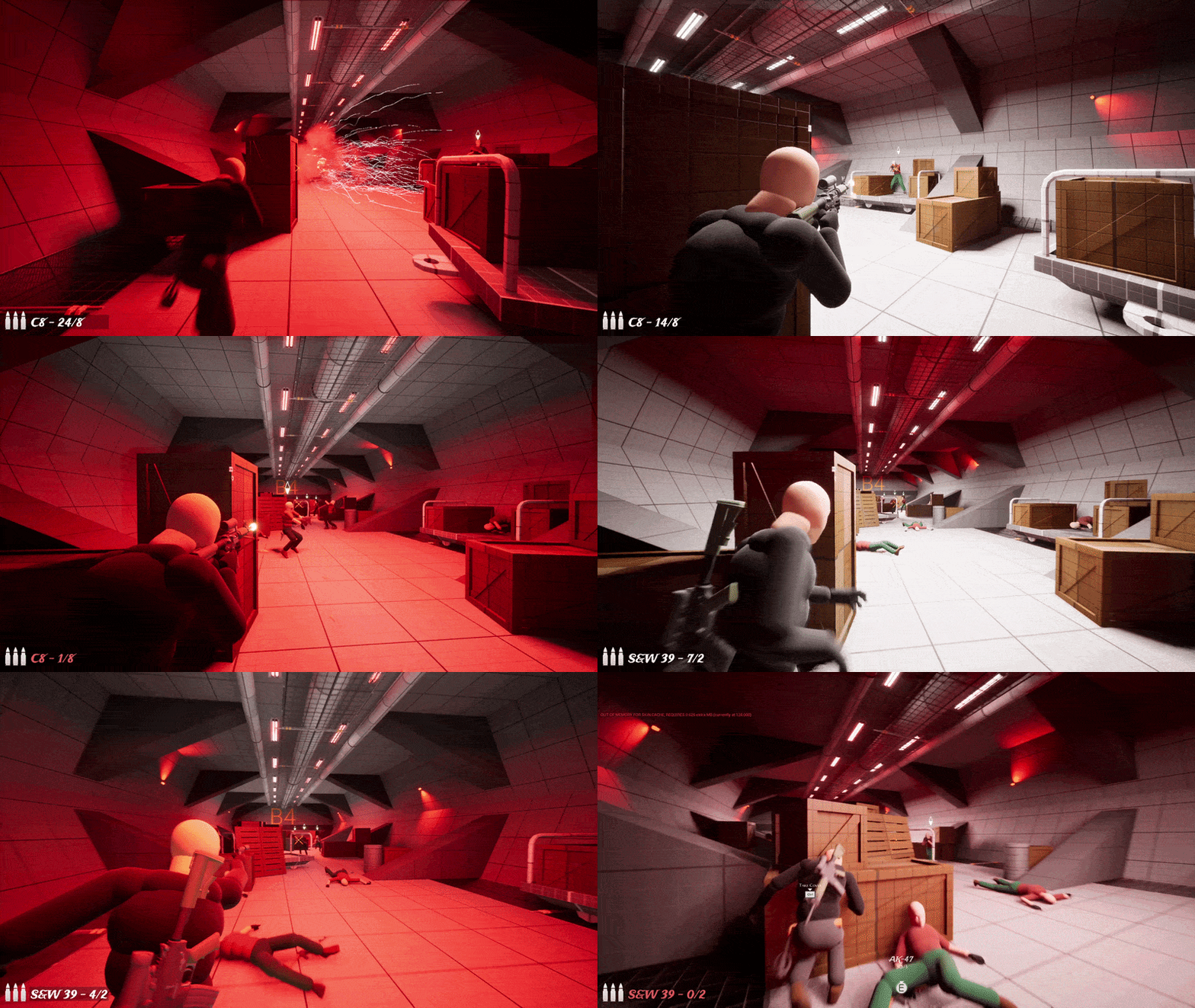
Fight & Reach the Front of the Train
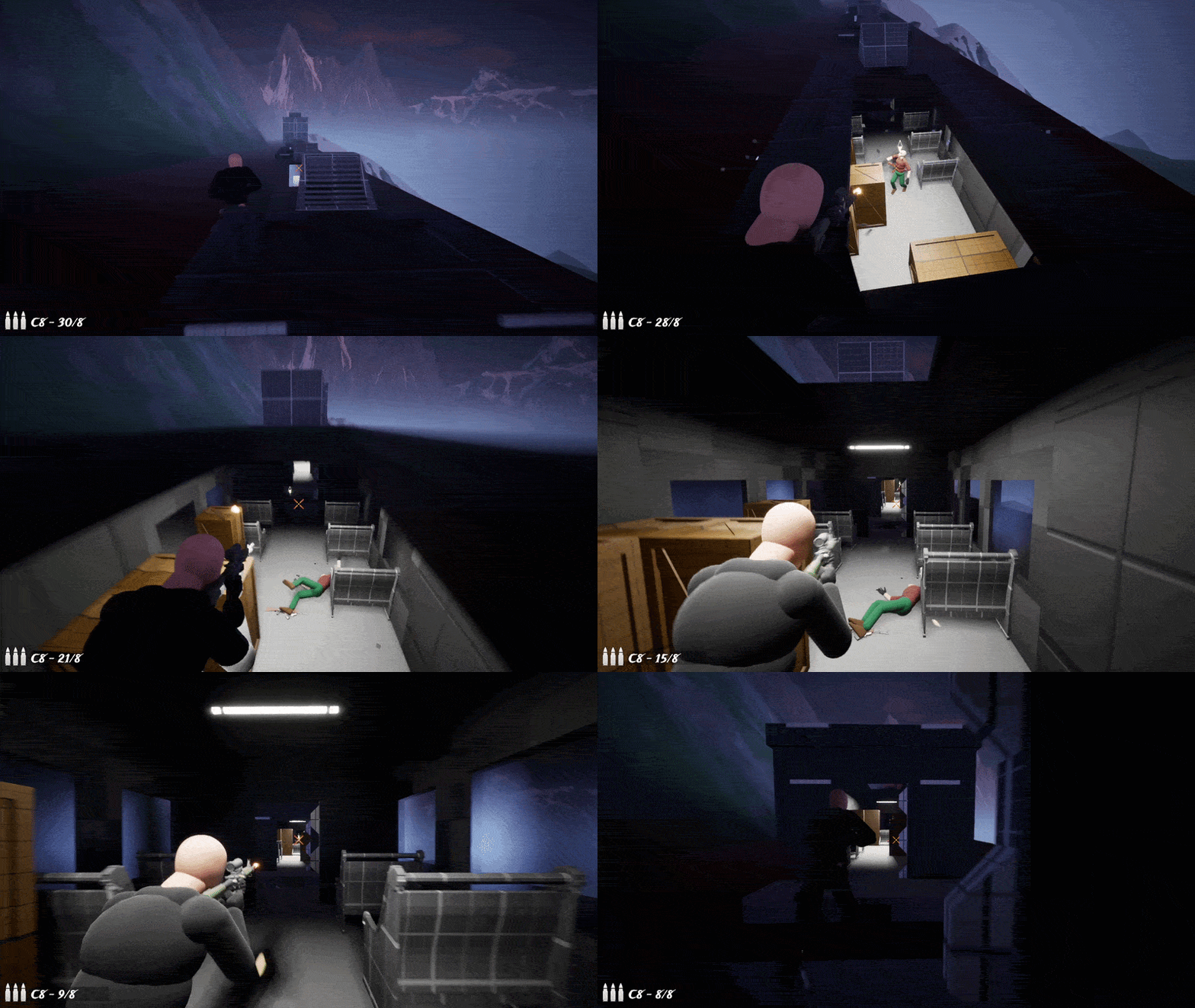
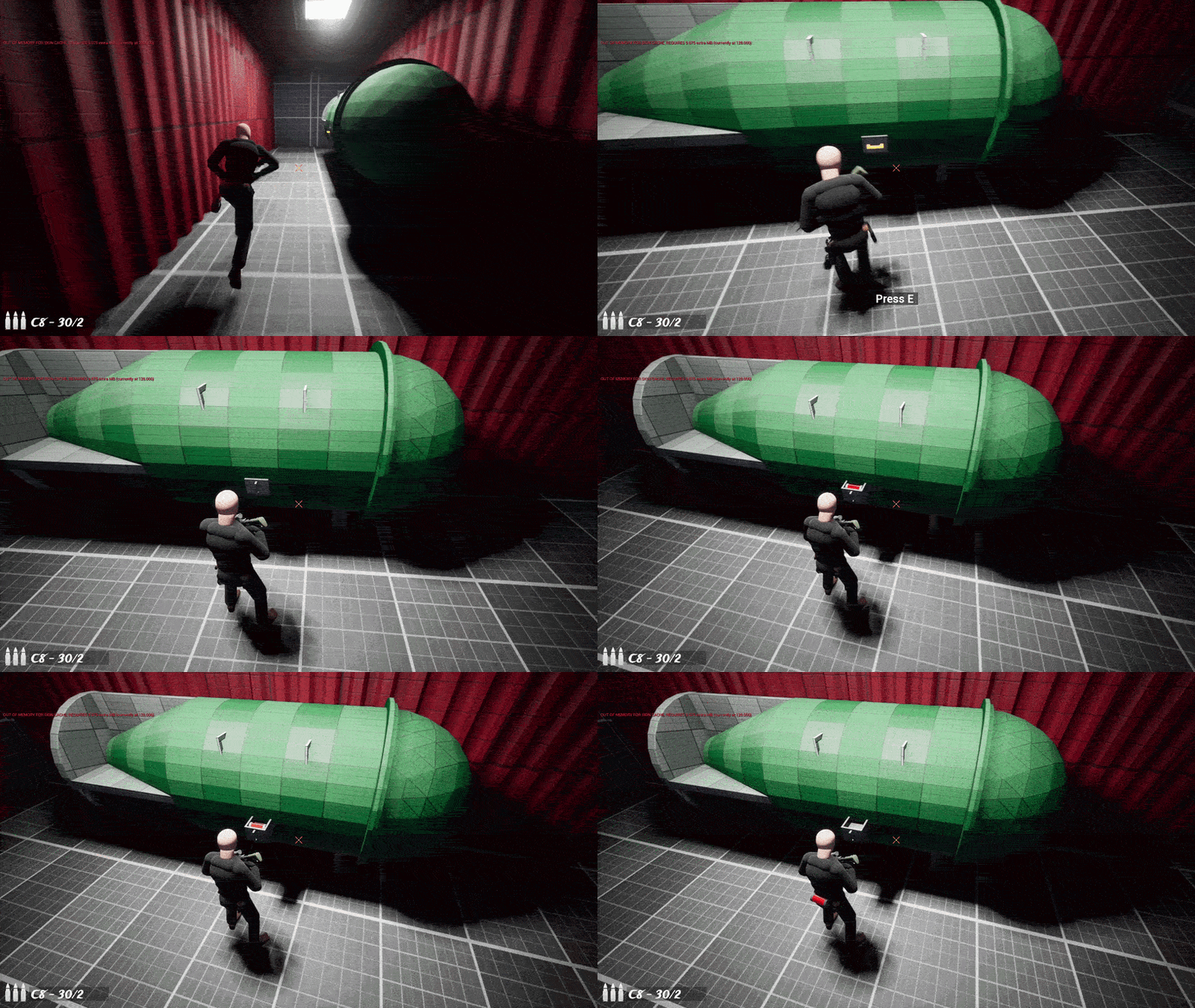
Pick Up the Bioweapon Capsule
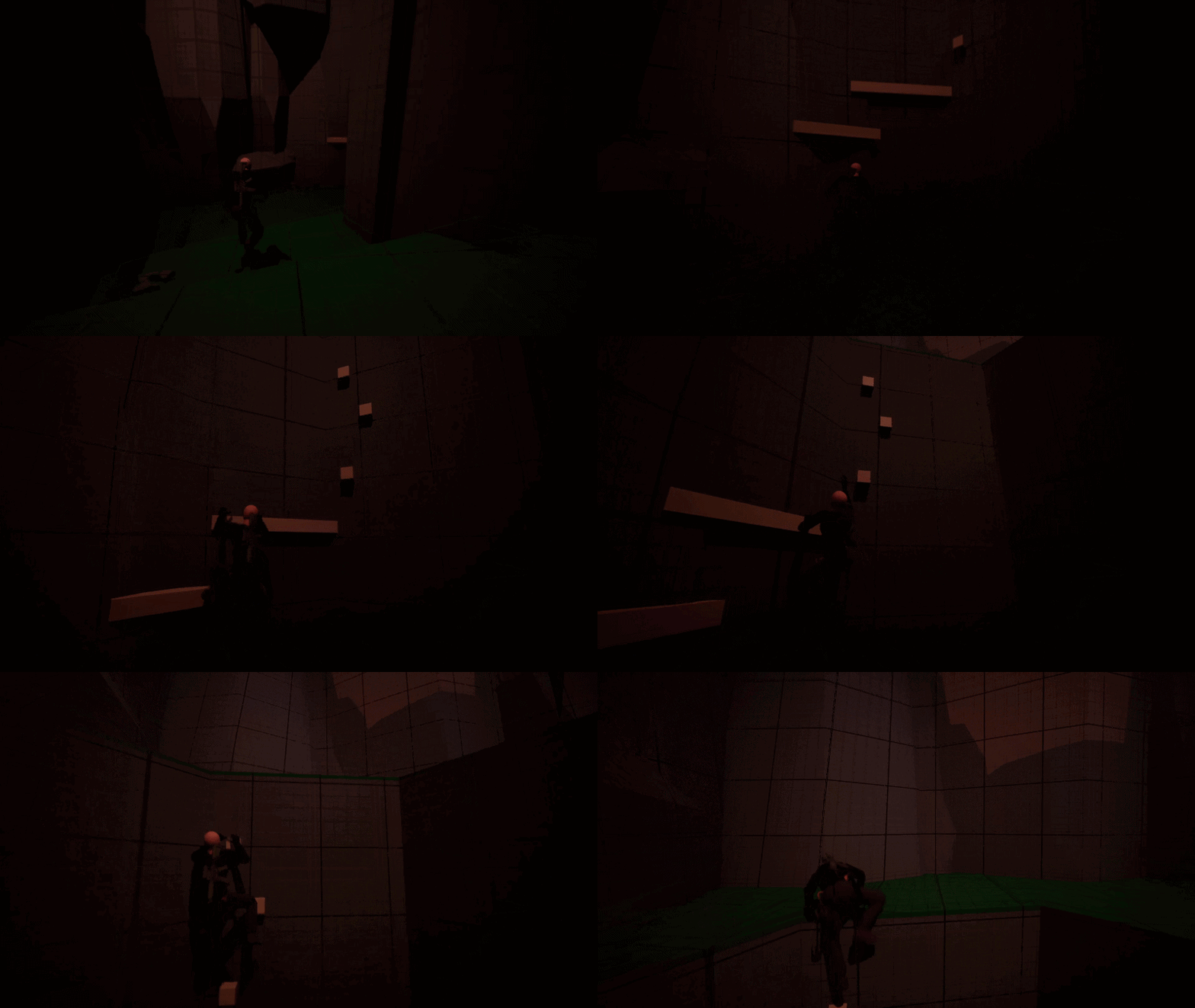
Climb Across the Mountainside
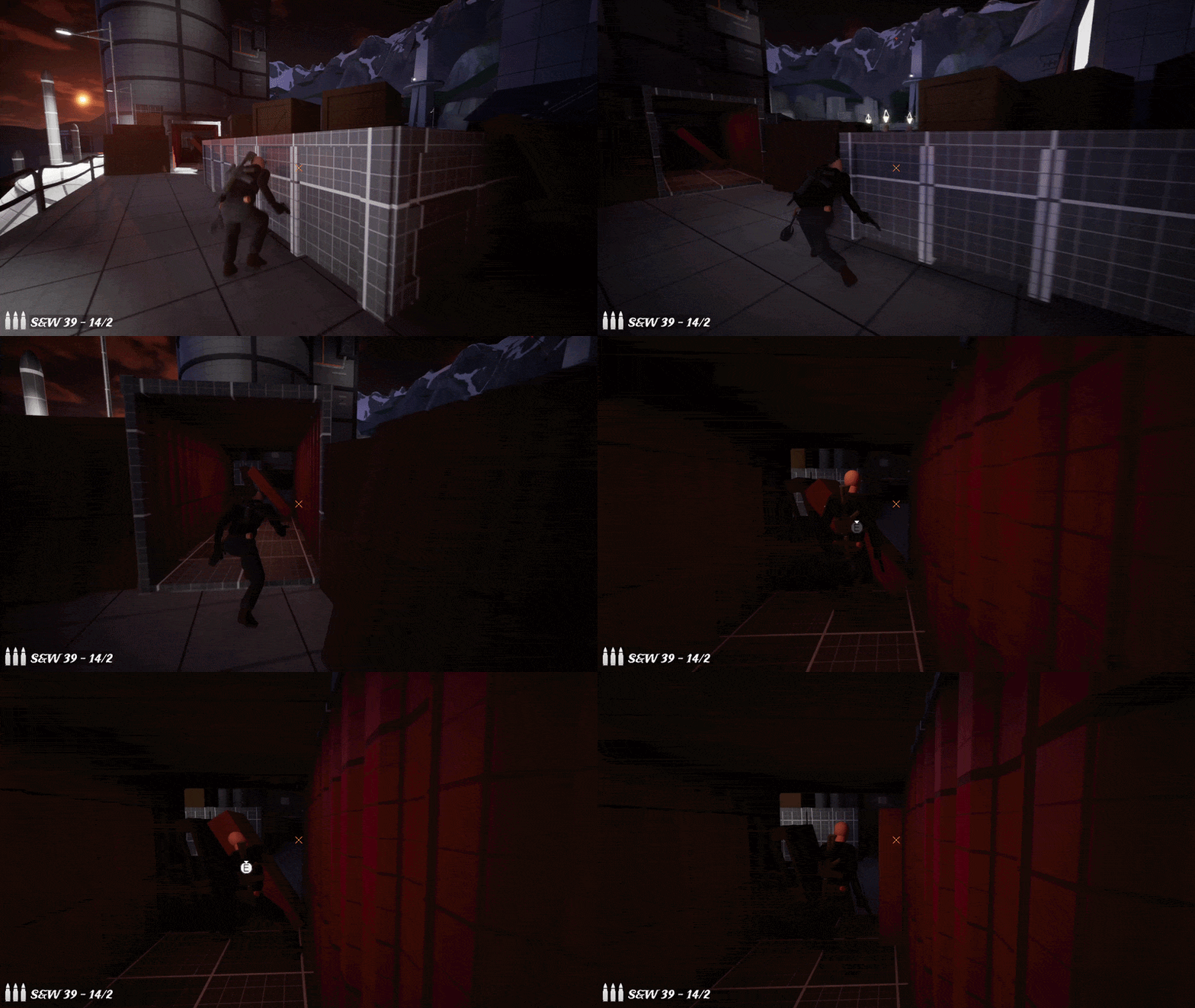
Get Through the Gateway
Find & Hack the Tower Computer
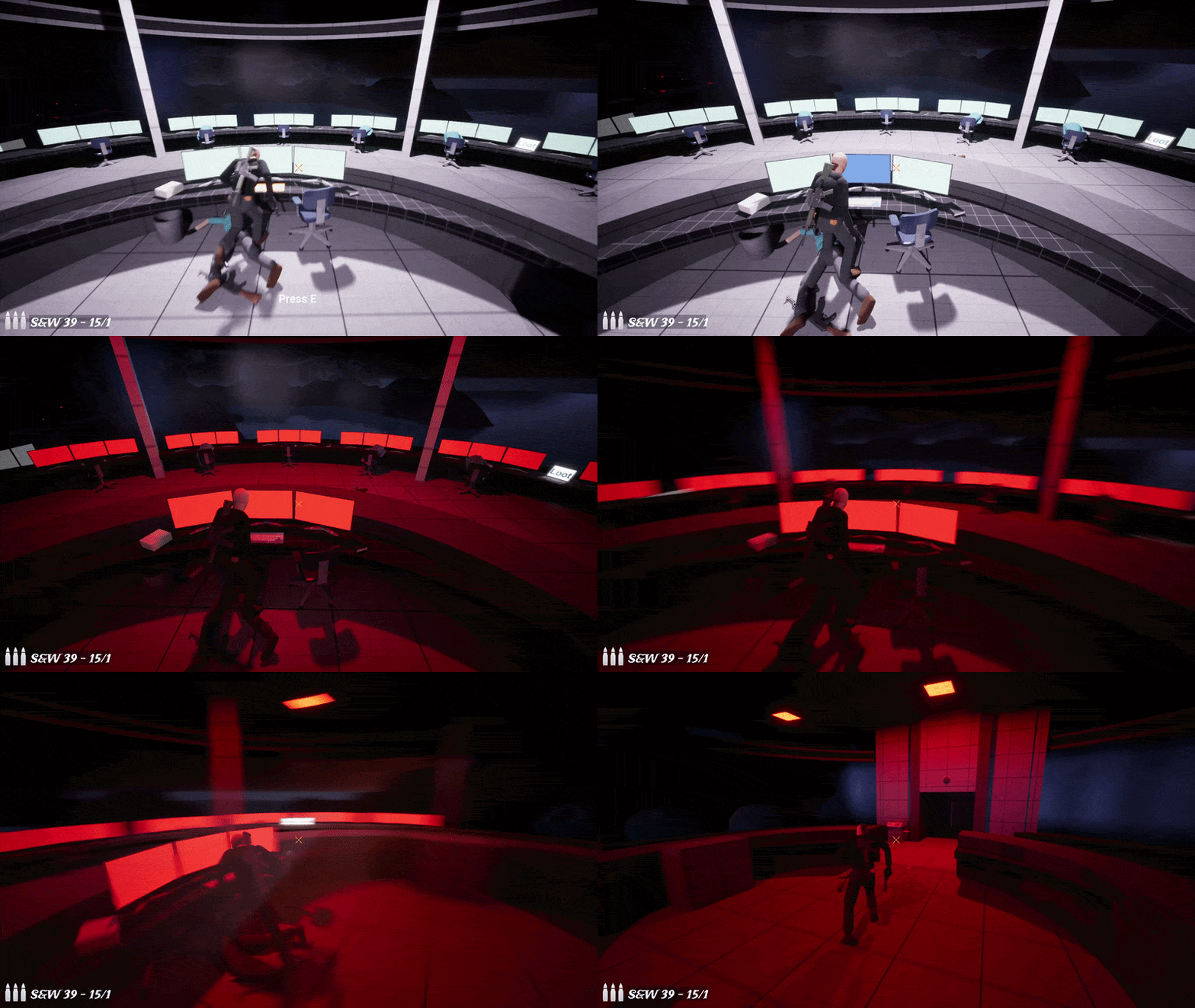
Board the Moving Train
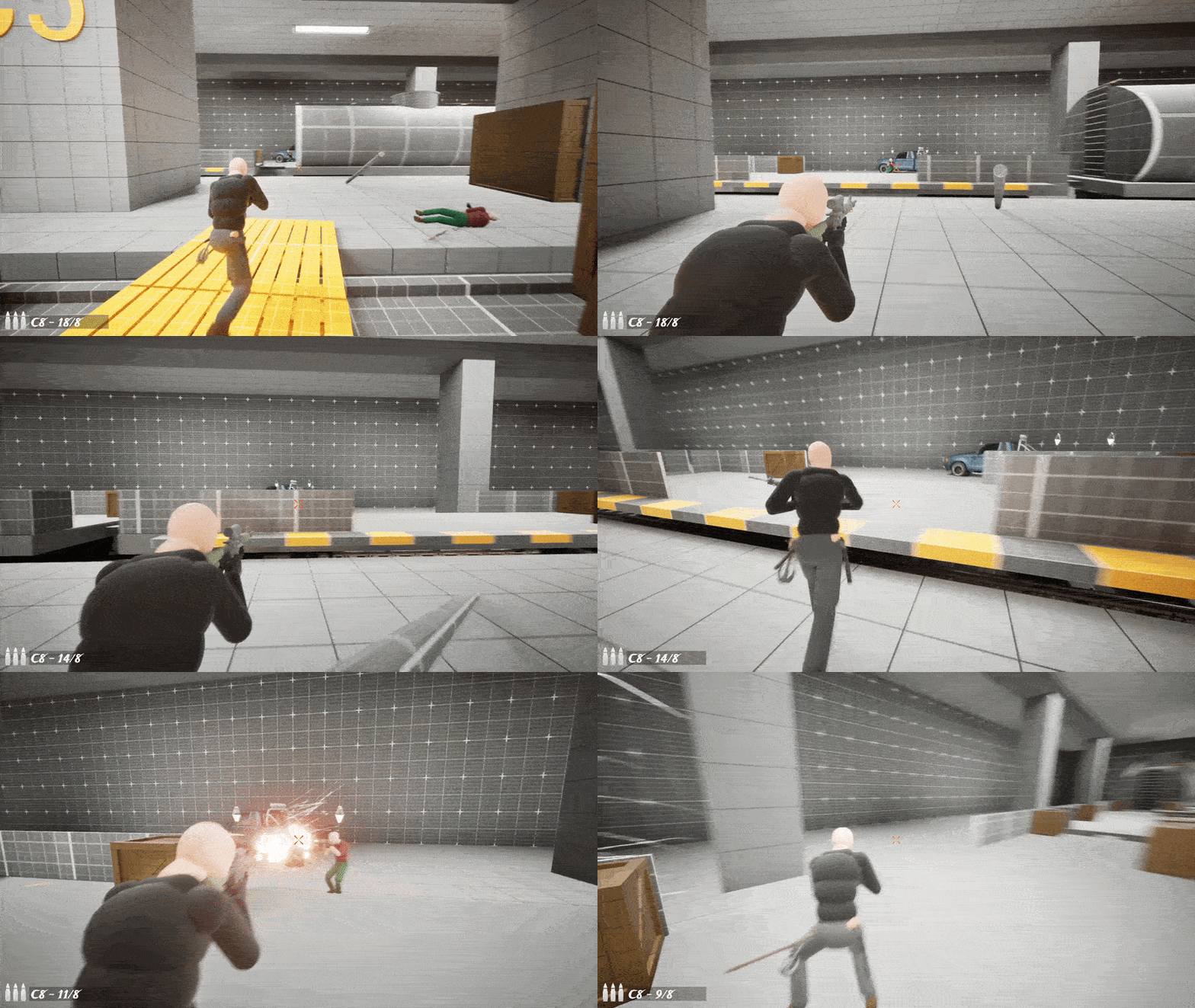
Helicopter Encounter
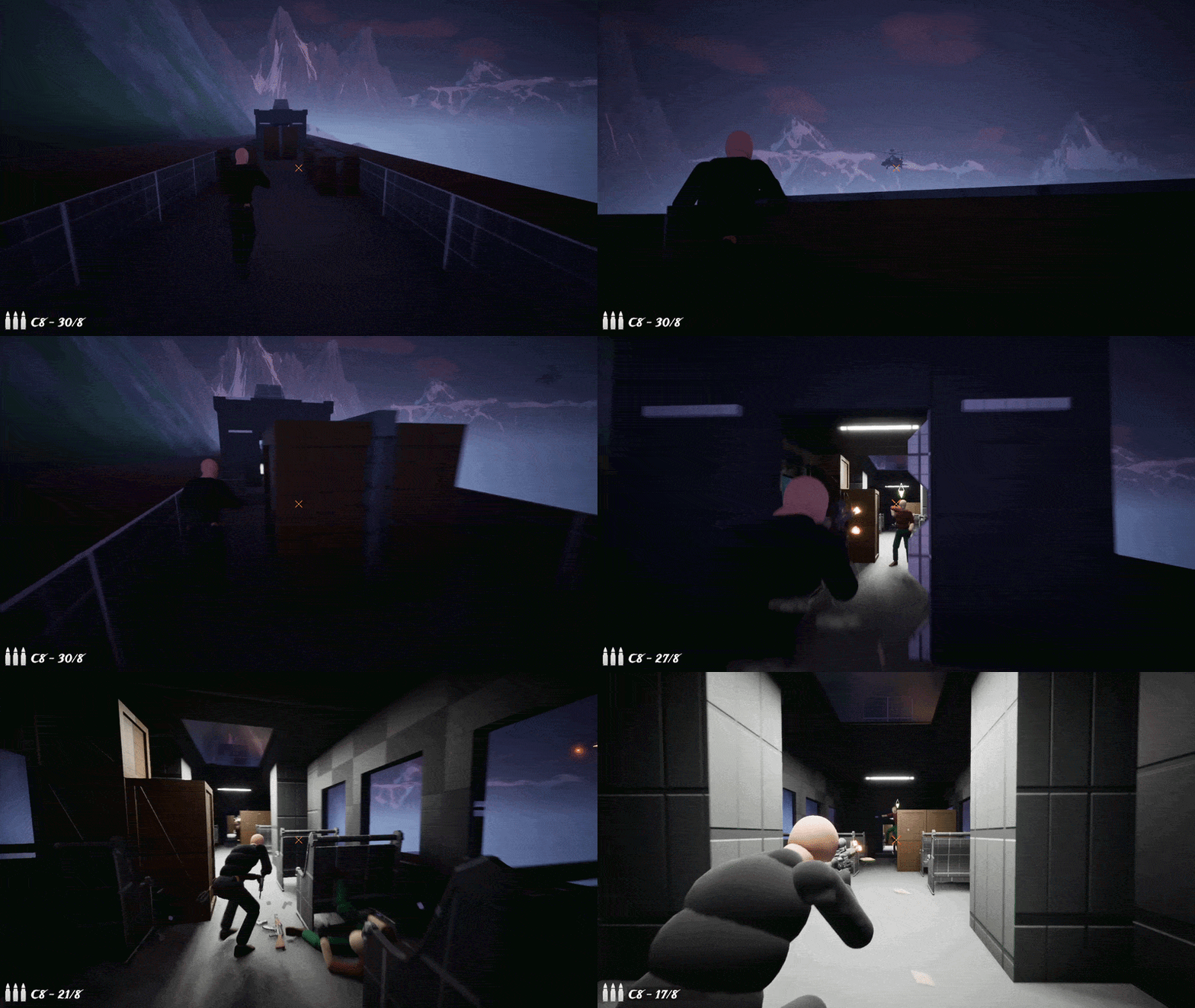
Escape the Train
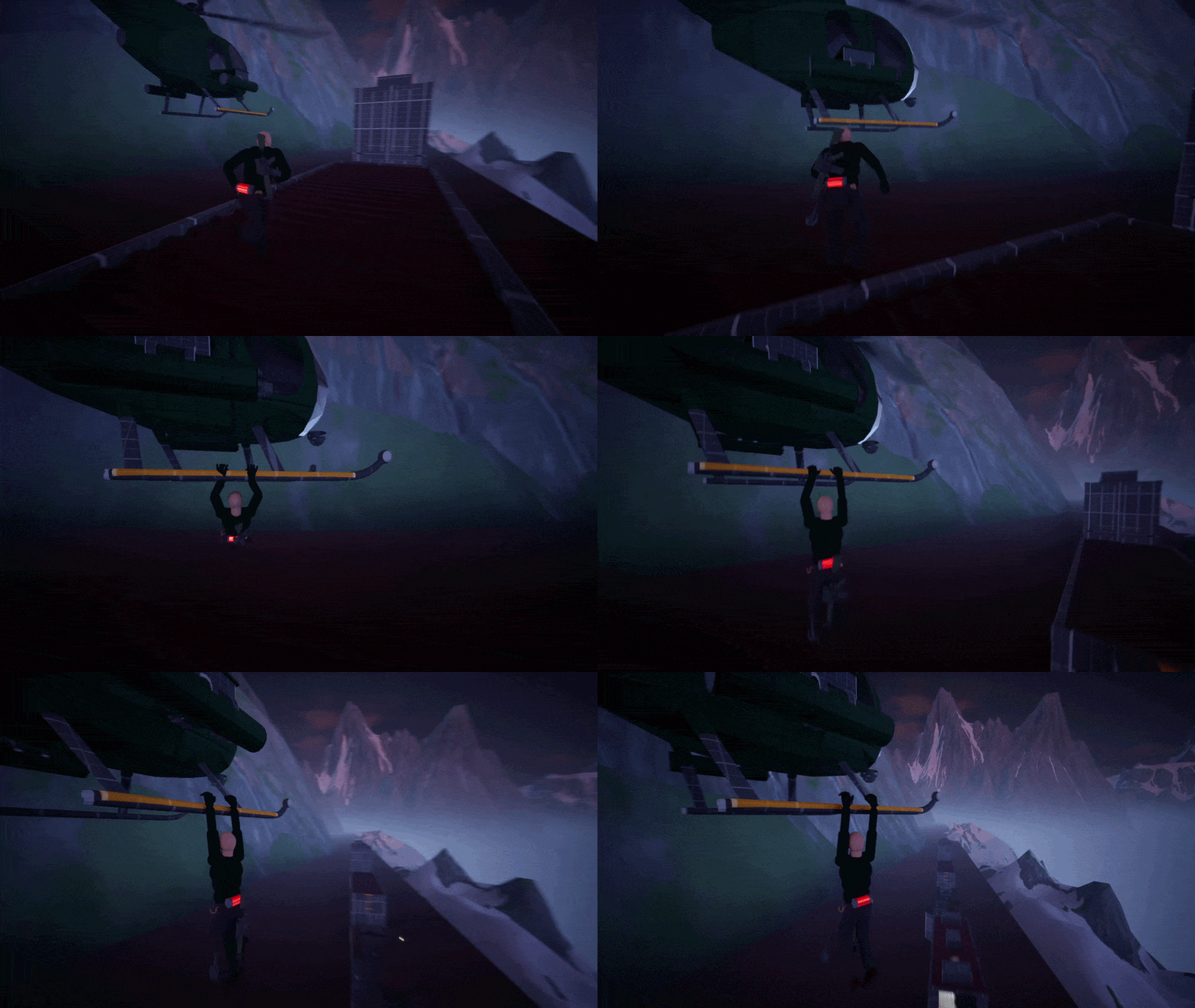
Pre-Production

References
During pre-production, I gathered and organized visual concepts and references to establish a clear art and design direction. Using tools like PureRef helps me align ideas early on, ensures consistency and provides a strong leading line for the rest of the production.

Project Management
Even on solo projects, I make sure to stay organized and consistently track my progress. Using Trello, I break down the project into smaller, manageable objectives, which helps maintain a clear workflow. This approach limits distractions by turning a large and complex project into a series of focused, achievable steps.
Level Breakdown
Paper Design


Blockout Iterations
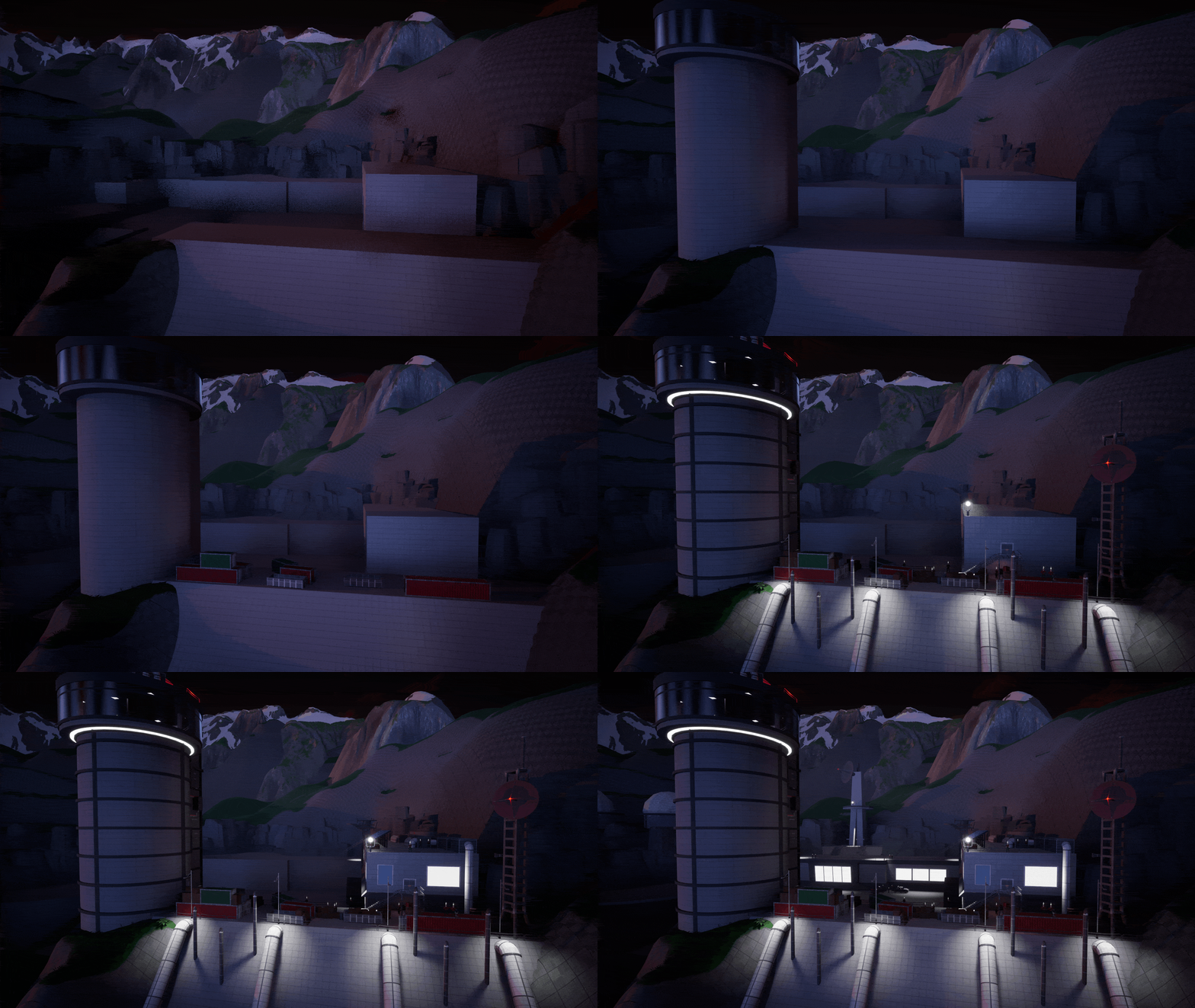
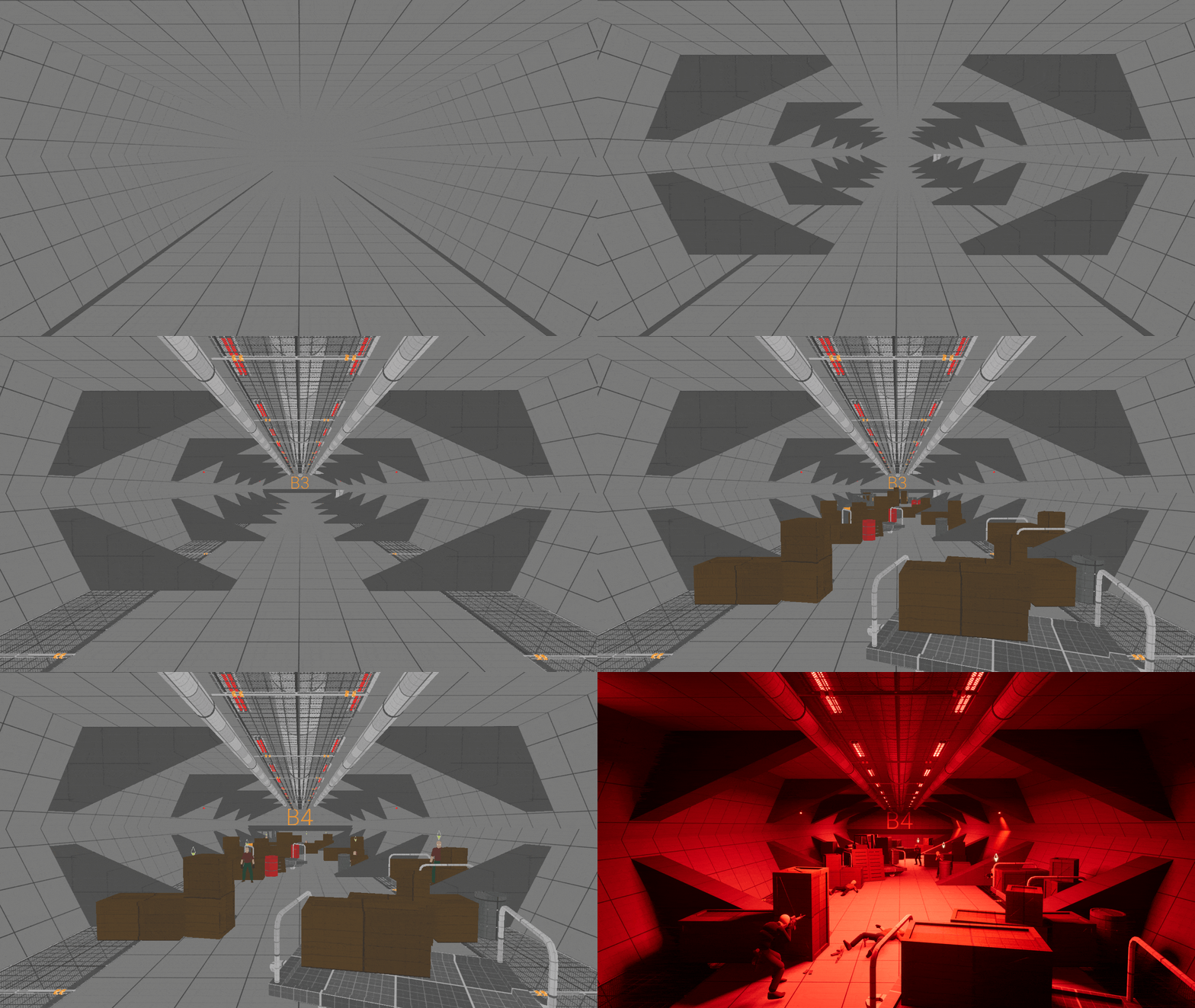
During the blockout process, I designed the first layout with simple shapes, allowing to quickly iterate and playtest each part of the level to identify issues and make the necessary adjustments to improve flow and navigation.
Once satisfied with the layout, I added depth to my design by including elements like windows, vegetation, and lighting to enhance realism and better represent the intended look and feel the final level.
Final Design

Train Sequence
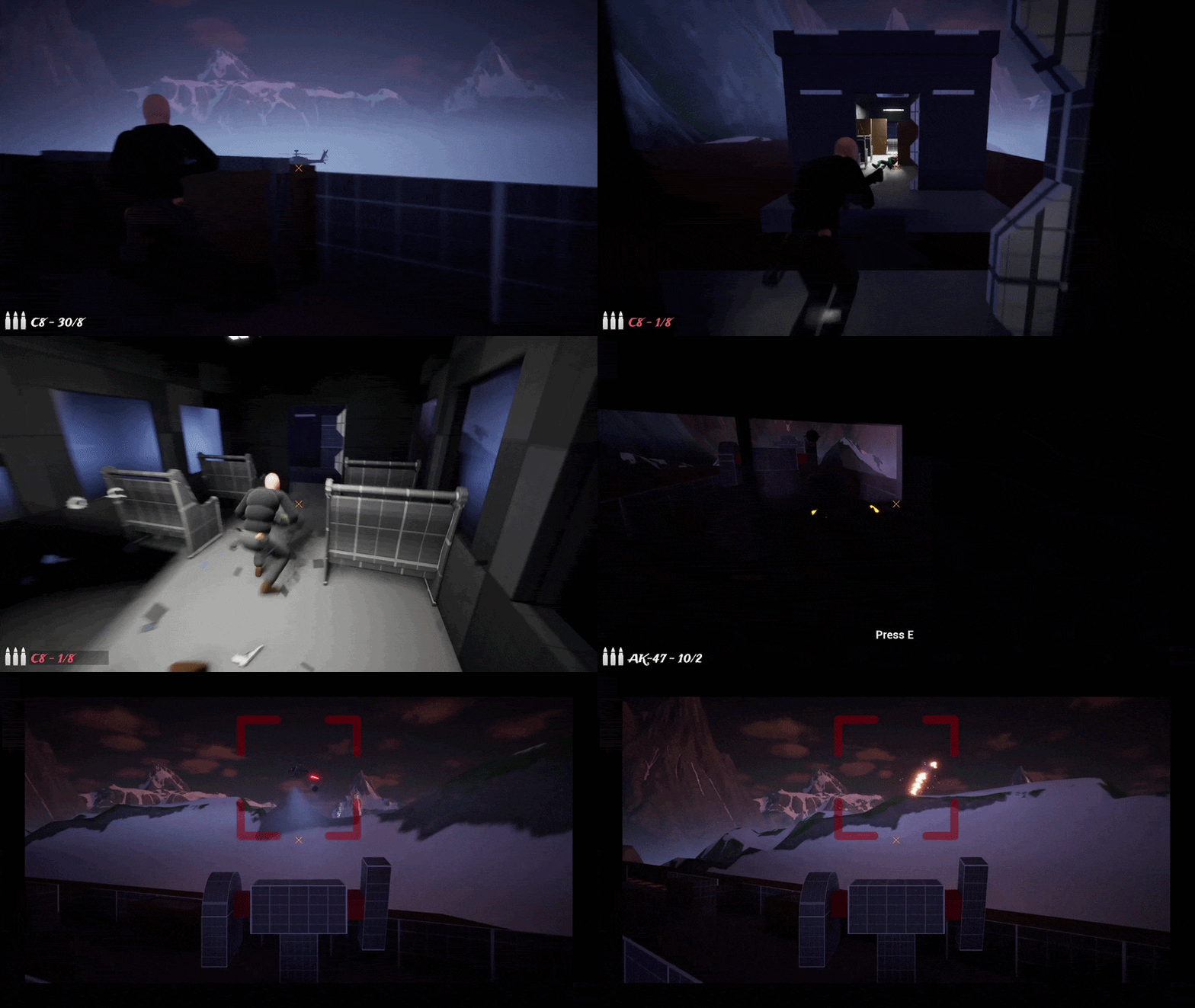
The biggest challenge I faced in this project was the train sequence, where the player must go through the entire train while facing multiple enemies and tougher encounters, such as the helicopter, before reaching the objective and extracting to complete the mission.
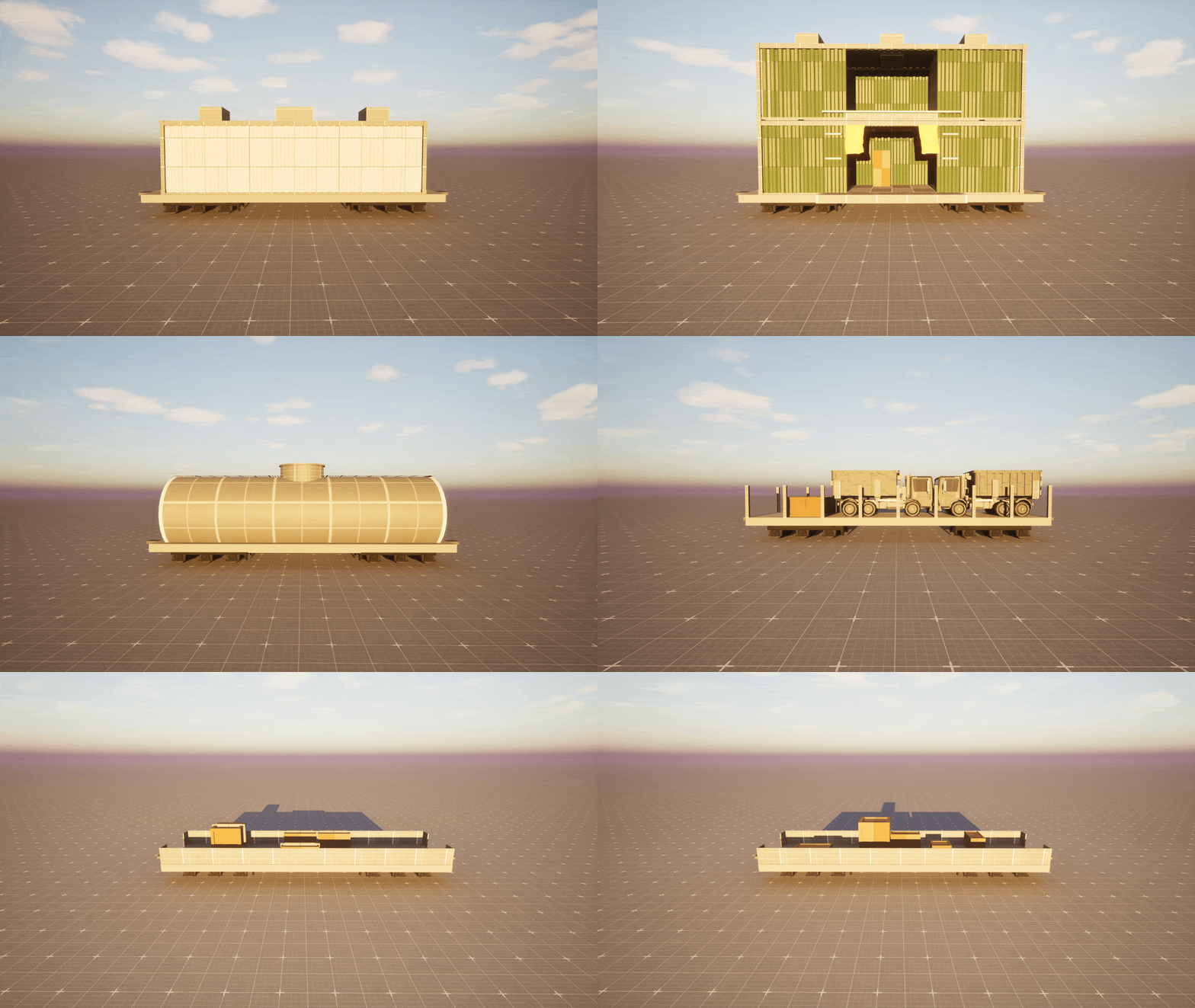
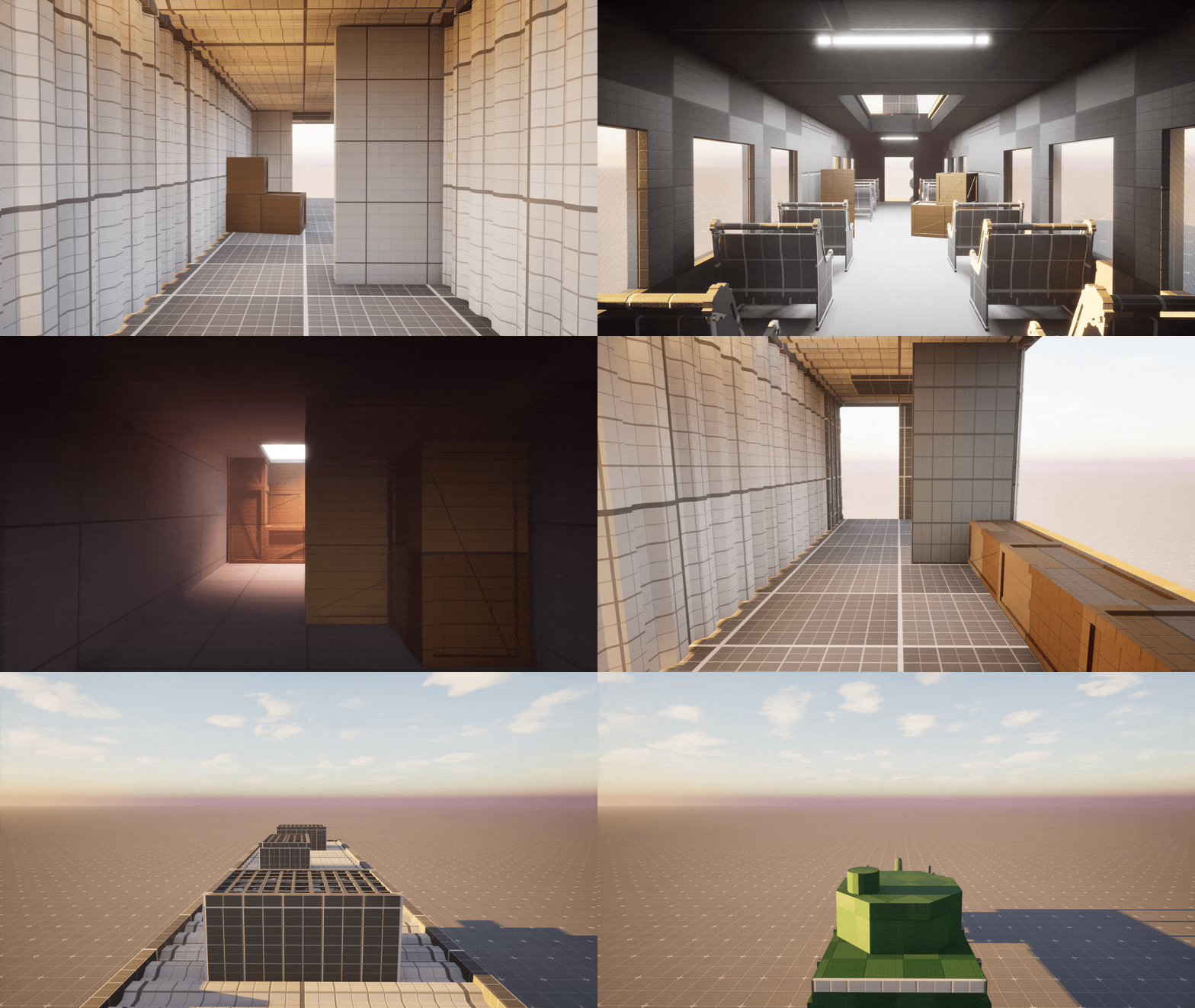
As shown in the GIFs above, I created several dozen unique train car layouts. They were designed with two distinct purposes : some focused on smooth navigation and level flow, while others were built to support dynamic and balanced combat encounters.
Special Encounters
To reinforce the feeling of a true final sequence and create pacing variety, I designed two more challenging encounters during the train sequence.
Ambushed Turret
The player must push through three train cars filled with enemies while taking cover from the heavy fire of the ambushed turret, eventually reaching and destroying it with a grenade.
Helicopter
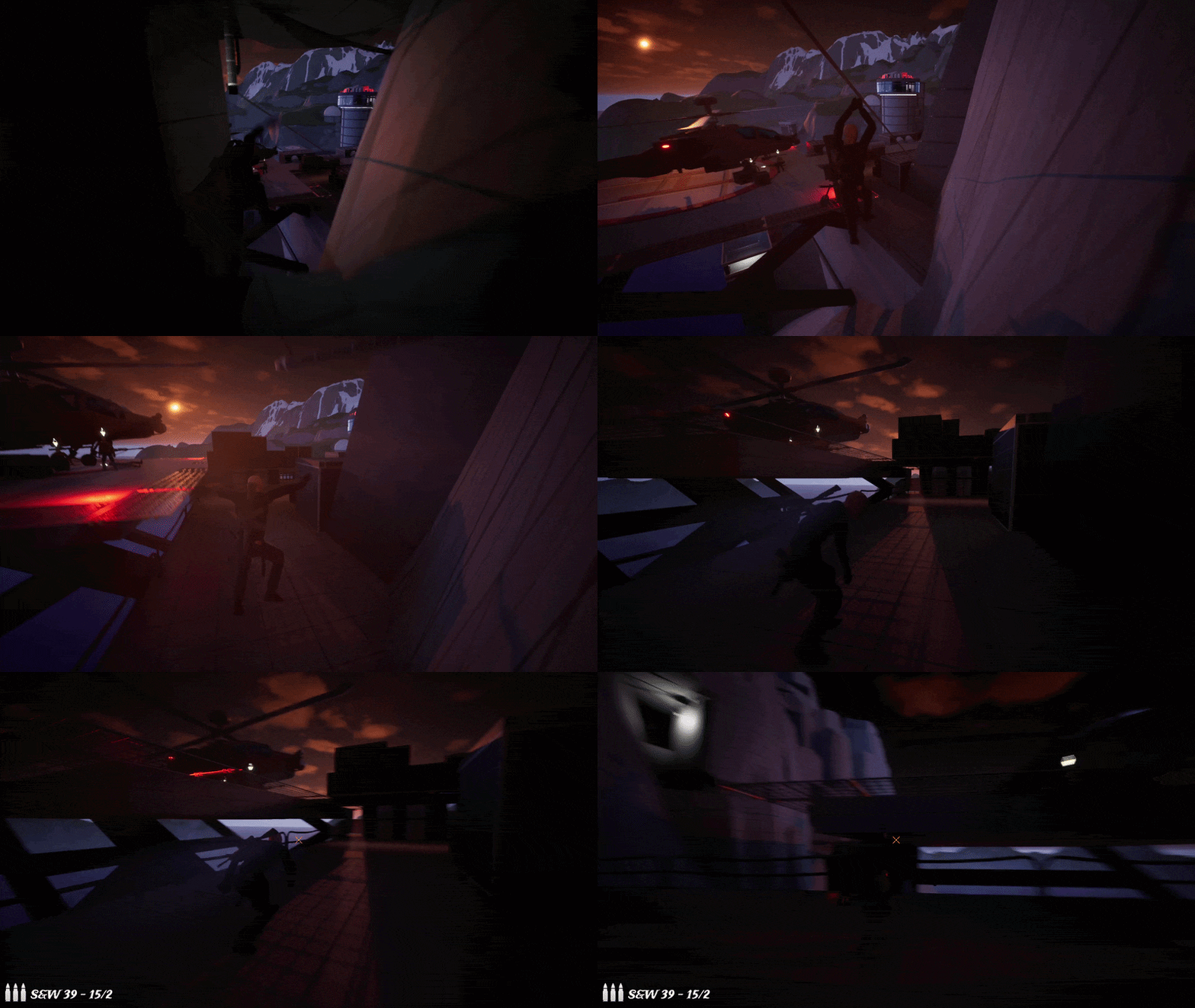
The second encounter involves a combat helicopter circling the player along an L-shaped spline path. This forces the player to constantly track its position and adapt their use of cover, all while dealing with enemies, until they reach a missile launcher to take it down.
Design Constraints
The train sequence was shaped by technical constraints, especially that both AIs and the player character reacted poorly to the train’s velocity, preventing stable positioning. To solve this, the train was kept static and the environment moved instead. Although the issue was worked around, this approach prevented me from creating curved railway paths, forcing me to design a more linear sequence with a stronger emphasis on combat rather than movement and traversal.

Level Design Techniques
Landmark
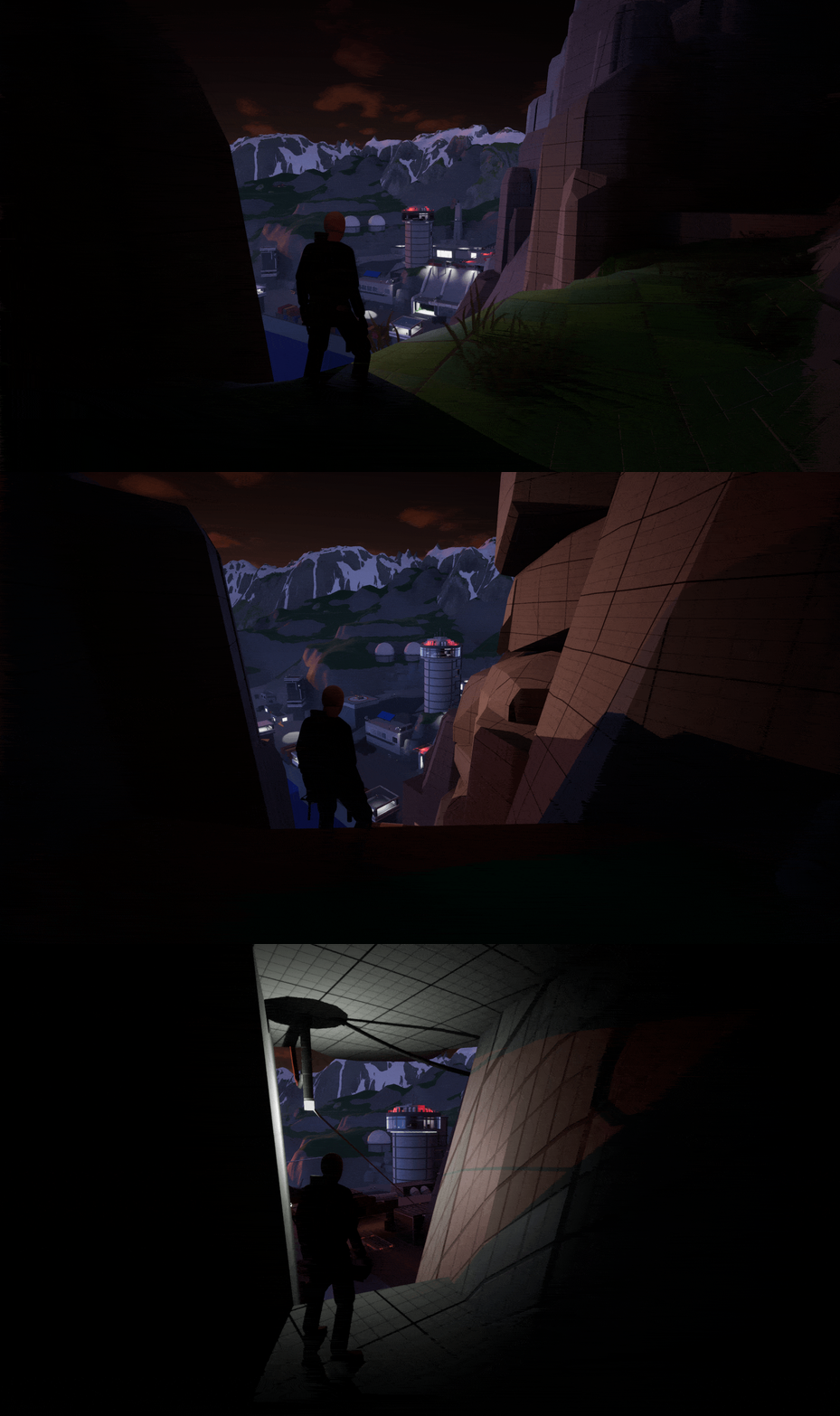
In this level, the control tower acts as a strong macro landmark, clearly establishing the player’s primary objective. Its visibility is maintained through successive reveals and framing, allowing the player to clearly perceive their progression as they move closer to it.
Reveal
I used them to progressively expose the level environment, particularly to show the military base in its entirety, while emphasizing on the central control tower landmark. By controlling the player visibility, these reveals create impactful visual moments that guide the player's attention and clarify objectives.
Environmental Movement
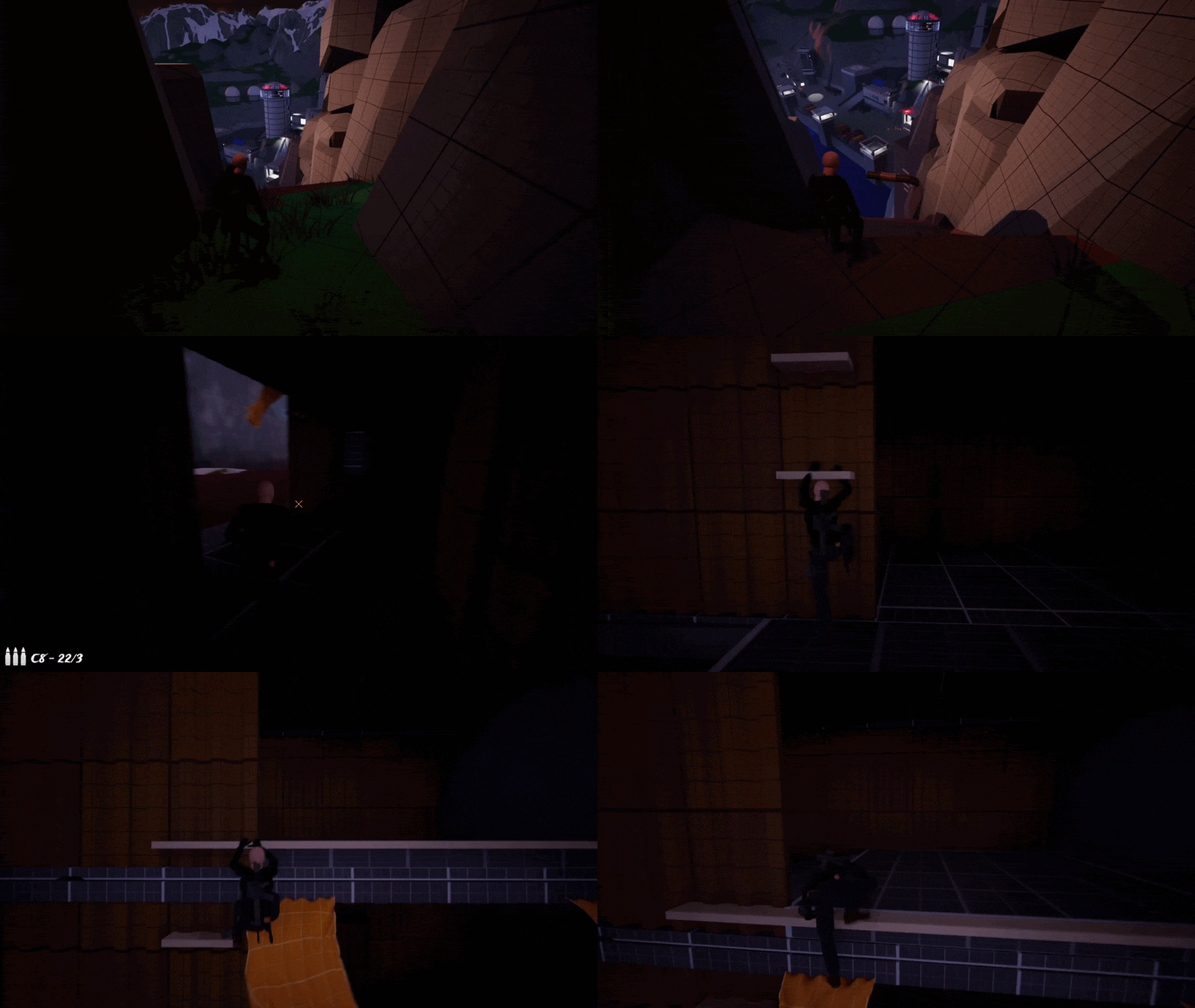
It is used as a subtle affordance technique. Elements such as cloth reacting to the wind and birds taking flight provide dynamic cues that reinforce player guidance and highlight key navigation elements, such as grapple points or climbable ledges, while adding depth and realism to the environment.
Vantage point
I carefully placed them before dense enemy areas so that players could observe the layout and read patrol patterns, allowing them to anticipate the situation before engaging. This encourages planned decision making, while reducing frustration ahead of those high-intensity encounters.

Back Gate
Back Gates were primarily used to control player progression and divide each level sequence. I integrated them into the environment through elements such as swinging ropes, slides, elevators, and ziplines, ensuring a natural and immersive flow throughout the experience.
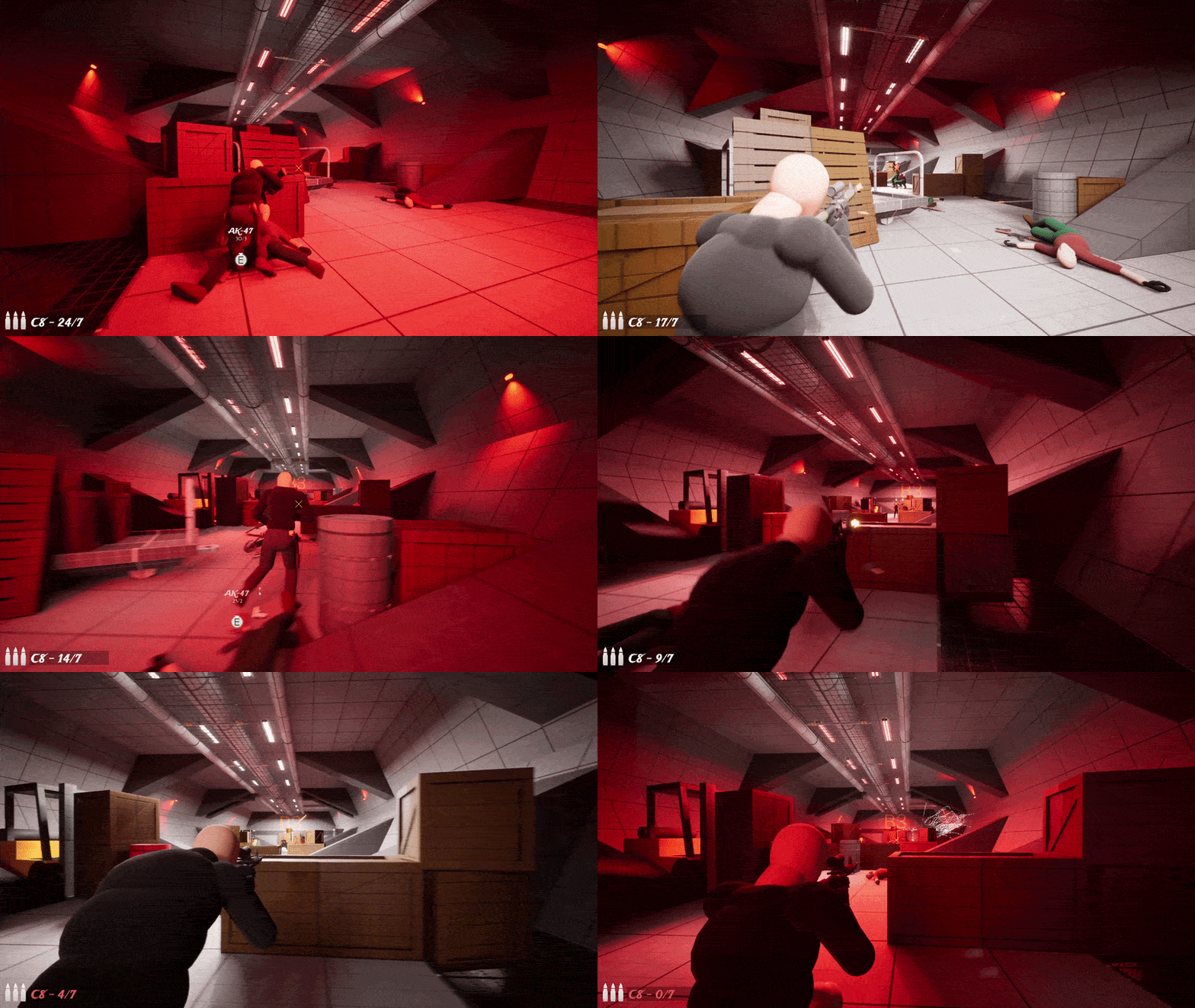
Combat covers
I carefully placed combat covers to structure the flow of combat encounters and offer a variety of approaches, despite the constrained spaces in which fights take place (such as the underground base and the train). This layout supports player choice, encourages forward progression, and prevents static gameplay by constantly pushing the player to move between cover points and toward their objective.
Gameplay Video
Closing Thoughts
This is one of the most ambitious projects I’ve worked on so far, pushing my knowledge further in Level Design, scripting and mechanics implementation using AGLS v1.4 Drawing inspiration from Uncharted and Call of Duty campaigns, I focused on building a cinematic and well-paced experience, blending stealth, traversal, and combat across multiple gameplay phases.
The project helped me refine my approach to pacing, player guidance, and encounter design, especially when transitioning between infiltration and high-intensity sequences like the moving train finale.
Looking back, there are aspects I would improve, especially in the infiltration sequence, I think it would have been great to make it less linear by offering multiple paths for the player to reach their objective. This would provide a greater sense of freedom and player responsibility.